


How to Document Evidence After a Car Accident in Texas
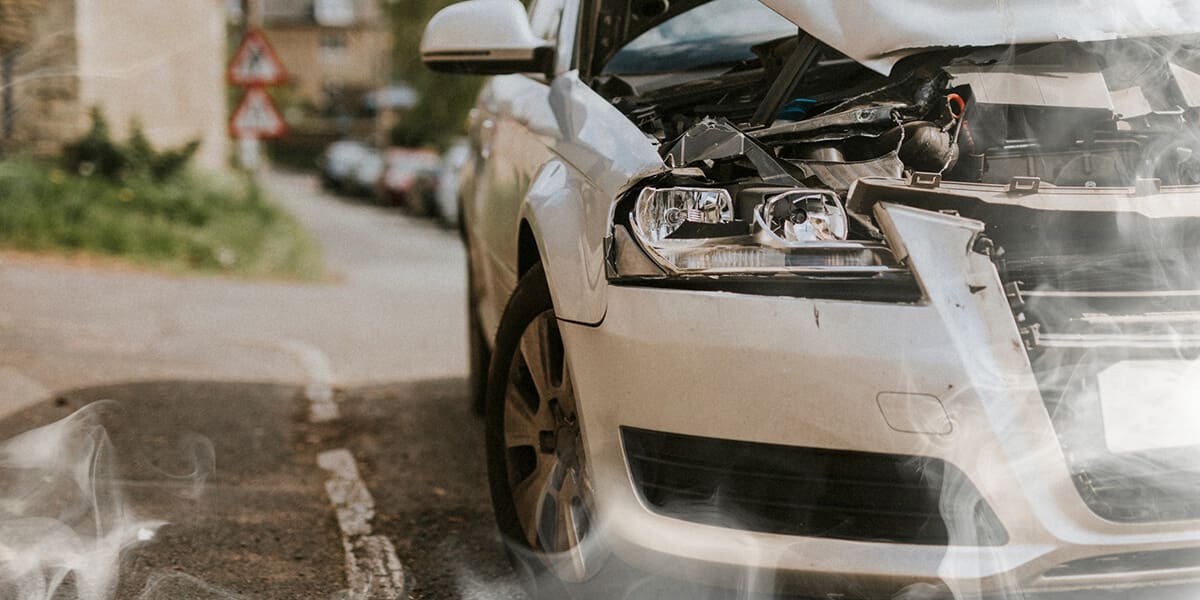
When you’ve been in a car accident in Texas, it’s not always clear what to do immediately after. Depending on the severity of the crash, you may need to call 911, but there are other steps you should take, too.
One of the steps you should always take, regardless of the nature of the accident, is to gather evidence. Whether it’s to give you the best possible chance of winning compensation or to protect you from claims made by other drivers, evidence can be crucial going forward. If you hire an attorney, they can help you gather evidence.
Here’s why Texas car accident evidence is critical, how to gather it and what to do with it.
Understanding Fault and Negligence in Texas
Before looking at the importance of car accident evidence in Texas, you need to understand how blame is assigned.
Car accidents in Texas are governed by a fault-based system, also known as a tort system. Under this system, the person who caused the accident is liable to compensate any damaged parties. However, fault isn’t assigned on a flat “guilty” or “not guilty” basis.
Instead, proportionate responsibility or modified comparative negligence is used per the Texas Civil Practice and Remedies Code §33.001. This means that a driver could be assigned a portion of the blame rather than the full amount. Blame can be assigned for acts such as running red lights or stop signs, speeding, or driving while intoxicated.
If a driver is 51% or more at fault, they’re barred from seeking compensation. If a driver is assigned 50% or less of the blame, they have the right to seek compensation. The amount of compensation they can seek is affected by how much blame they’re assigned.
If you’re in a car accident, it’s important that you have all of the necessary evidence to prove that you weren’t at fault.
How to Gather Evidence of a Car Accident
Whether you’re assigned the blame or not, you should collect any evidence you can. Here’s how you can do that and what evidence you need to document.
Why Is Evidence Needed After a Car Accident?
When a car accident happens, it’s sometimes the fault of one of the drivers. Anyone involved in an accident that was the fault of another driver may want to be — and deserves to be — compensated.
To get fair compensation, you need evidence to prove who was at fault and to what degree. Without this vital evidence, you cannot confirm that the accident was the other driver’s fault or demonstrate the full extent of the damage.
What Evidence Is Needed After a Car Accident?
When seeking compensation for an accident that wasn’t your fault, you must provide hard evidence to prove your claim. To give your case the strongest foundation, you should try to gather the following evidence:
- Photos or videos of the accident, including any available dashcam footage.
- Police accident report (CR-3).
- Eyewitness statements.
- Your own statement.
- The other driver’s statement.
- Accident reconstruction expert statements.
- Any resulting medical bills.
- Property damage estimates.
The driver’s crash report (CR-2) used to be a vital Texas car accident document in cases where the police didn’t attend the scene. However, the Texas Department of Transportation (TxDOT) has not used CR-2 forms since 2017. If you receive a similar form from local police, be sure to keep your own copy since TxDOT only keeps CR-3s on file.
How to Get a Copy of an Accident Report in Texas
To file an insurance claim or seek compensation, you’ll need to obtain the police accident report. This will provide official and impartial evidence of your claim and is usually available within seven to 10 days of the accident. You can purchase the police report of your accident from the TxDOT online purchase system for $6-$8.
You can also request it directly from the records division of the police department that filed the accident report. Be sure to bring a valid photo ID, the report number and payment.
If you self-reported, you can get a copy of the report from the agency you filed with, such as the city police department or the county sheriff’s office. This isn’t the same as a TxDOT CR-3 police accident report, but it can still be valuable in supporting your claim.
Alternatively, you can ask your attorney or insurance provider to get the report for you. It’s particularly useful if you have an attorney who can do this for you, as they’ll also check over the report for inaccuracies or discrepancies.
What to Do With Your Evidence
Once you’ve gathered all your evidence, make copies of any documents and keep them safe in your own personal records. You may also want to give copies to your insurance company to support your claim.
If you’re considering seeking compensation for any injuries or property damage you suffered due to the accident, you should pass your evidence to your lawyer, too. They can then assess your case and advise you on the best course of action.
When You Don’t Need to File an Accident Report in Texas
If you were in an accident that didn’t meet the criteria to call 911, you’re not required to file an accident report, but doing so may still be beneficial. You should also gather as much information as possible to help with any claims you may seek. Beyond gathering as much of the previously mentioned evidence as you can, you should also get:
- The name, address, date of birth and phone number of the other driver.
- License plate numbers.
- Driver’s license numbers.
- Car insurance policy numbers and information.
- Vehicle identification numbers (VINs).
All this information will be useful to your attorney if you decide to seek compensation.
Why Trust Thomas J. Henry Law With Your Personal Injury Claim?
When you’re searching for an attorney who will help you win your case and get you the compensation you deserve, it can feel like you’re going to pay out more than you might receive. That’s why at Thomas J. Henry Law, we operate a “no win, no fee” policy. This means that you don’t pay us any upfront costs. Instead, we’ll take our fees as a portion of your final settlement.
With more than 25 years of helping people who were injured by another driver win compensation, we have a track record of earning sizable settlements. Our roots are in auto injury, and we’ve become a nationally recognized and award-winning law firm.
Talk With Your Own Dedicated Attorney Today
Thomas J. Henry Law takes on cases of all sizes. Whatever size your case is, you’ll be looked after by your own dedicated attorney who will know your case inside and out. It’s one of the reasons why we’re known as fighters for the little guy. You’ll also have access to a team of attorneys who you can contact 24/7.
With offices in Corpus Christi, San Antonio, Dallas, Austin and Houston, we can assist with your case wherever you are in Texas.
So, if you’re considering making a claim after a road accident, find out more about our services and see how we could help you with your case.
Blog