

Miami Tesla Verdict Sets New Standard: What Drivers and Plaintiffs Must Know
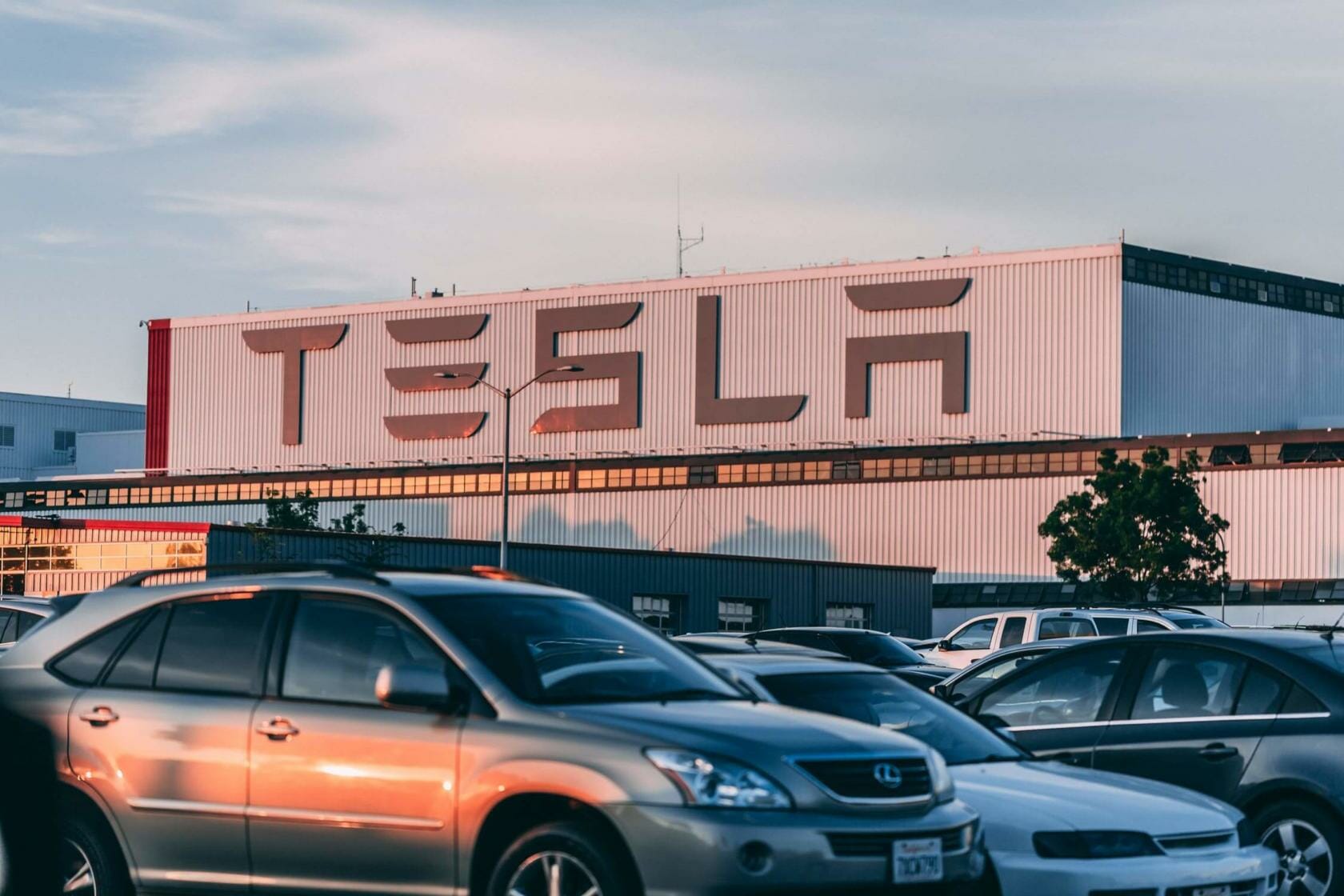
In a groundbreaking verdict that could reshape the future of automotive liability, a Florida federal jury has ordered Tesla to pay over $240 million in damages after its Autopilot system was found partially responsible for a fatal 2019 crash. The jury’s decision signals growing accountability for tech-driver vehicle manufacturers and has sent shockwaves through the legal and automotive industries alike.
This landmark ruling isn’t just about one case, it’s a powerful signal that juries are willing to hold companies accountable when technology fails and lives are lost. For personal injury plaintiffs and their attorneys, it opens the door to more aggressive litigation strategies in cases involving product defects, misleading marketing, and failure to warn. In this blog, we’ll break down the verdict and explore what it means for future personal injury claims involving autonomous or semi-autonomous vehicle systems.
Breaking Down the Verdict
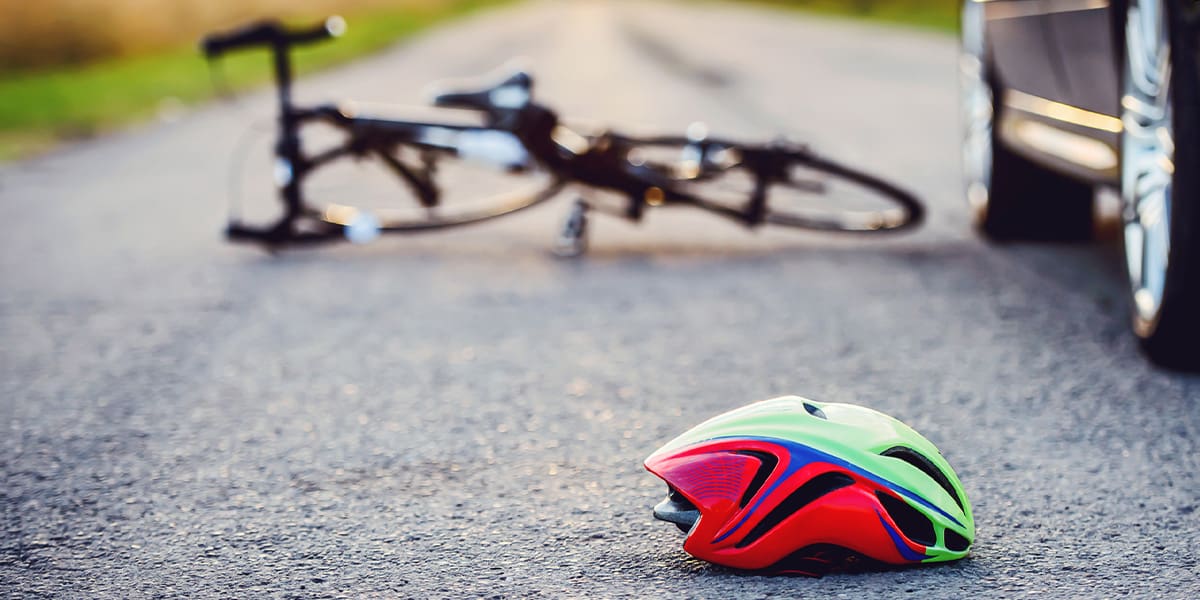
In 2019, a tragic crash occurred in Key Largo, Florida, when a Tesla Model 3, reportedly operating on Autopilot, veered off the road and slammed into a parked vehicle. The collision killed 18-year-old William Montoya and severely injured his father, Benjamin Montoya.
In August 2025, a Miami federal jury awarded the victims’ family $243 million in damages. The jury found Tesla 33% liable, concluding that flaws in the Autopilot system contributed to the crash, while assigning the remaining fault to the driver.
This marks the first federal jury verdict to declare Tesla’s Autopilot system defective. Legal experts are calling the decision a potential watershed moment for plaintiffs, suggesting that it could “open the floodgates” for similar claims. With Tesla and other automakers continuing to market semi-autonomous technology to the public, the verdict could embolden more victims to come forward, and encourage juries to hold tech companies accountable when human lives are at stake.
Why This Matters to Plaintiffs and Personal Injury Attorneys
The Tesla verdict sets a powerful precedent for plaintiffs injured in crashes involving advanced driver-assistance systems such as “Autopilot” or “Full Self-Driving.” Juries are now more receptive to the argument that technology companies, not just drivers, can be held accountable when their systems fail or behave unpredictably.
For plaintiffs, this means:
- Greater leverage in settlement negotiations.
- A clear path to argue that vehicle software errors, poor driver warnings, or misleading automation claims contributed directly to their injuries.
- More opportunities to introduce expert testimony and crash data that highlight system malfunctions.
For law firms, this opens the door to a new class of personal injury litigation—where software, artificial intelligence, and user-interface design are at the heart of liability.
Challenging Misleading Tech Marketing
A major theme in the trial was Tesla’s marketing and branding of its Autopilot system. Plaintiffs argued that the company misrepresented the technology’s capabilities, creating a false sense of safety among consumers. Tesla’s public statements and product names like “Full Self-Driving,” allegedly misled drivers into believing the car could operate autonomously, when in fact, it still required full driver attention.
The verdict also reaffirms a core principle of product liability law: manufacturers have a duty to design systems safely and to provide adequate warnings. The jury found that Tesla failed to implement safeguards that could have prevented the crash or at least reduced the harm. This includes failure to restrict Autopilot use to appropriate conditions or to more clearly warn users of its limitations.
This verdict shows that:
- Marketing language matters and can be used as evidence of negligence or deceptive practices.
- Misleading advertising by automakers may be viewed by courts as a form of inducement, contributing to driver behavior and ultimately, accident outcomes.
Lawyers can now build stronger cases by:
- Citing marketing materials that exaggerate system capabilities
- Arguing that drivers relied on those representations when making decisions behind the wheel.
- Showing that manufacturers failed to correct public misconceptions, despite mounting evidence of system limitations or crash risks.
How Our Firm Can Help
At Thomas J. Henry Law, we understand that modern vehicle crashes require modern legal strategies. Our team is skilled in reviewing crash logs and manufacturer marketing claims to determine whether drivers were misled by branding terms like “Autopilot” or “Full Self-Driving.”
Whether it’s a product defect or deceptive advertising, we don’t hesitate to take on big companies. We’ve successfully represented clients against major automakers and know how to challenge corporate denial and delay tactics, weak recalls, and marketing that prioritizes sales over safety.
Ready to Help You Move Forward
If you or a loved one was injured in a crash involving Autopilot, Full Self-Driving, or any vehicle automation system, don’t wait. You may be entitled to significant compensation, and our firm is prepared to fight for it. This landmark verdict has opened the door for more victims and families to hold manufacturers accountable. With this new legal precedent, pursuing justice is more feasible than ever and we’re here to guide you through every step. Schedule a free case review today. We’re here to help you understand your rights and your options.
Blog