

Rear-End Collisions in Texas: Who’s Really at Fault?
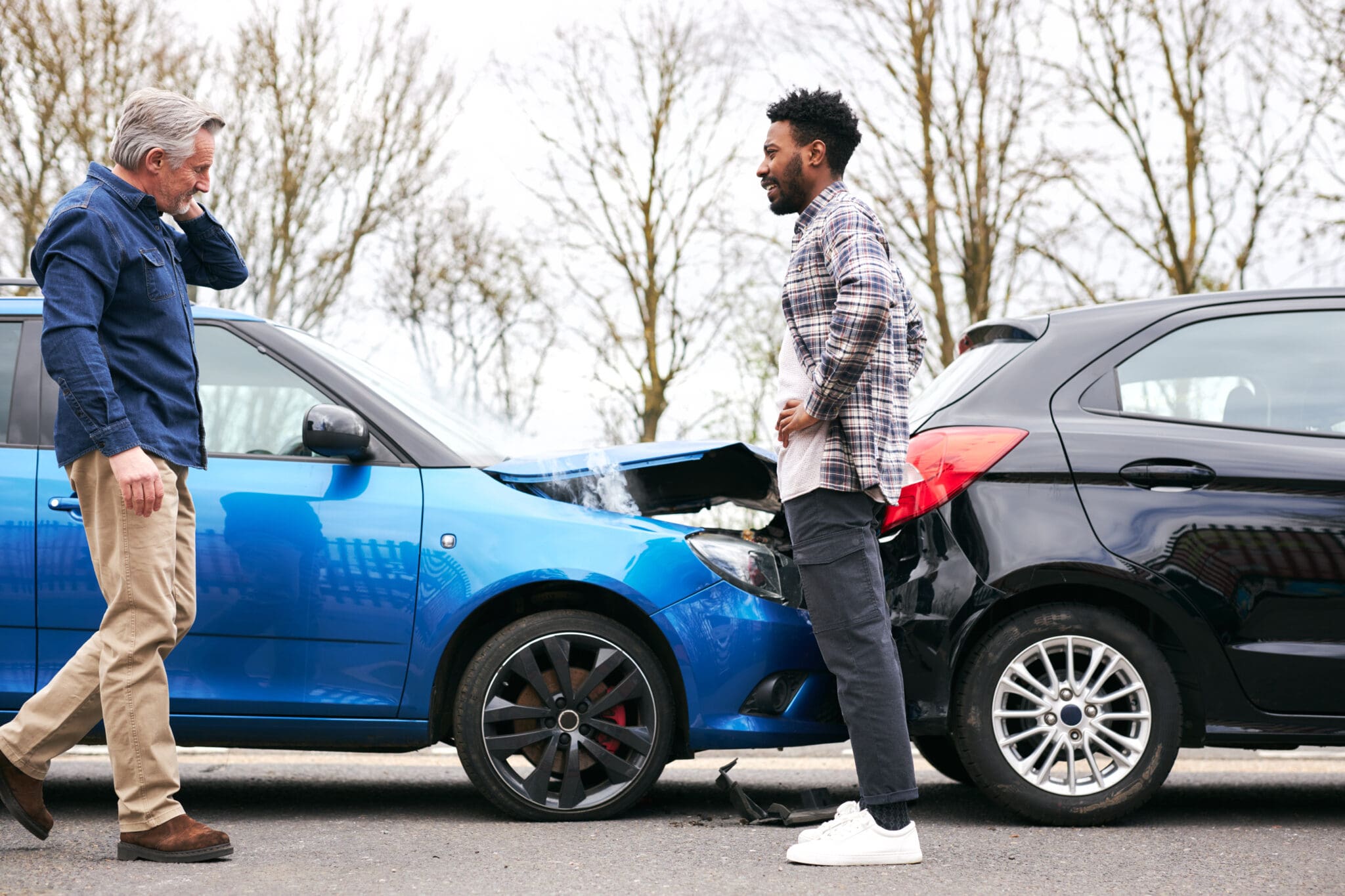
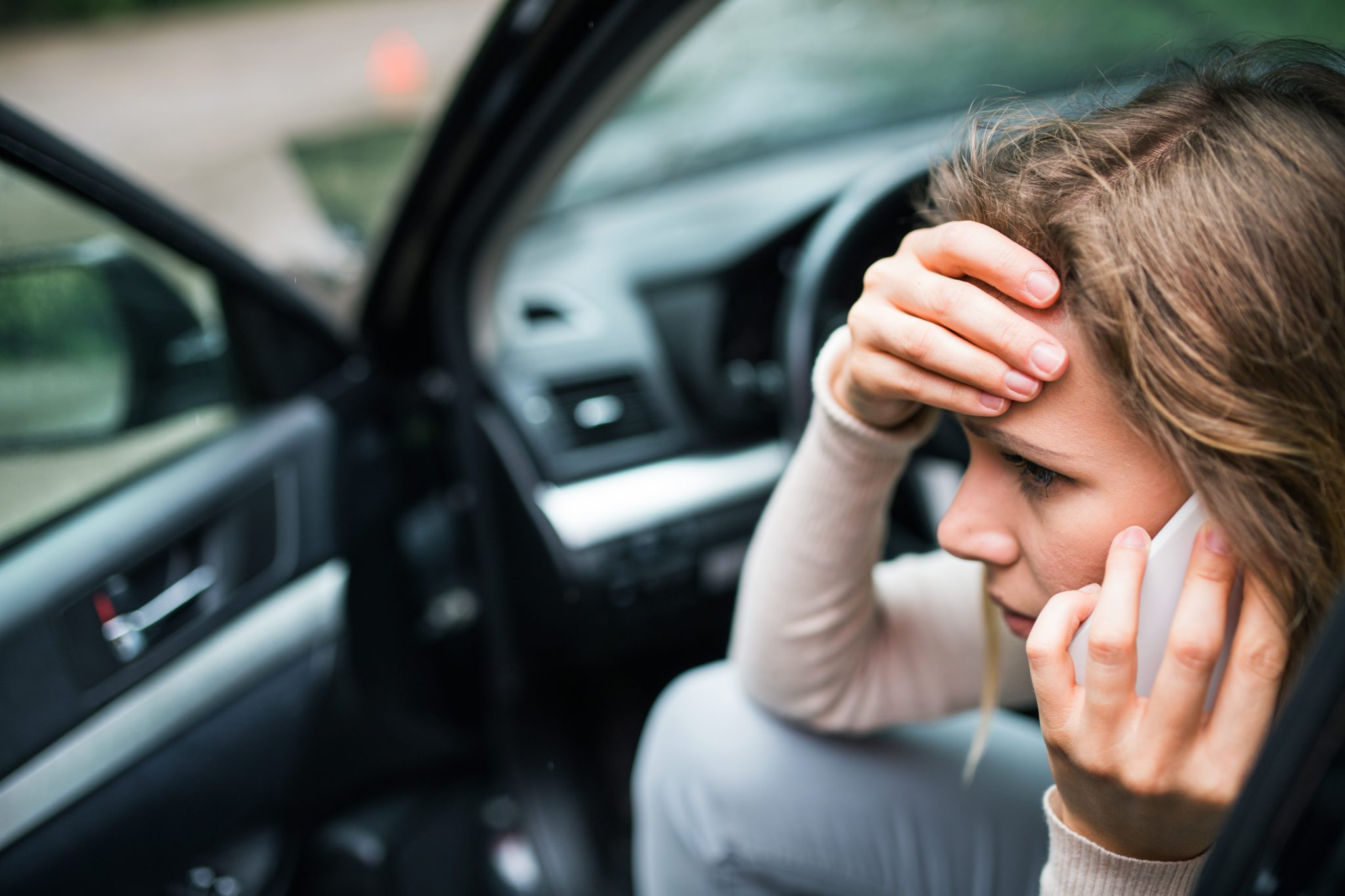
You’re sitting at a red light, maybe sipping your coffee or adjusting the radio. Suddenly—BAM—your car jolts forward as another vehicle slams into your rear bumper. Your heart races, adrenaline surges, and your mind floods with questions: What just happened? Am I okay? Who’s going to pay for this?
Most people assume that if you’re hit from behind, the other driver is automatically at fault. And in many cases, that’s true. But under Texas law, determining fault in a rear-end collision isn’t always that straightforward. There are important exceptions, and in some situations, the front driver could share or even bear responsibility.
Common Assumption: The Rear Driver is Always at Fault
When it comes to rear-end collisions, most people—drivers, insurance adjusters, even police officers—immediately assume the rear driver is to blame. And in many cases, that assumption holds up. But it’s important to understand why this presumption exists and when it might not apply.
Under Texas law, all drivers have a legal duty to maintain a safe following distance as stated in Texas Transportation Code 545.062. Texas drivers must always leave enough space to react and stop safely, even if the car in front stops suddenly. When a driver fails to do that and crashes into the back of another vehicle, it’s often considered a violation of this law and a strong indicator of negligence.
Distracted driving, tailgating, and speeding are common contributing factors in rear-end crashes, and they’re typically blamed on the rear driver. However, while this general rule is widely accepted, it’s not absolute. There are situations where the front driver may share some, or all, of the fault.
When the Front Driver May Be at Fault in Texas
While the rear driver is usually presumed responsible in a rear-end collision, Texas law recognizes that the front driver’s actions can sometimes cause or contribute to the crash. Here are common scenarios where the front driver may bear partial or even full liability:
- Sudden or unreasonable braking – if the front driver slams on their brakes without a legitimate reason (often called “brake-checking”), this can create a hazardous situation. Under Texas law, drivers are expected to operate their vehicles in a reasonable and prudent manner. Sudden, unexpected stops can make the front driver partially or fully liable for the collision, especially if the rear driver had little or no time to react.
- Faulty or non-functioning brake lights – Texas requires all vehicles to be properly maintained and equipped with working brake lights. If the front driver’s brake lights are broken or malfunctioning, the driver behind has no warning that the vehicle is stopping or slowing down. This failure can shift fault toward the front driver because it violates safety regulations and directly contributes to the rear driver’s inability to avoid the crash.
- Unexpected stops in traffic without justification – stopping in the middle of a high speed highway, like I-35 or I-10, without a clear reason is not only dangerous but can also lead to liability of the front driver. Texas drivers must avoid making abrupt stops that create a risk to other motorists unless there is an emergency or traffic condition that justifies it.
- Unsafe lane changes or cutting off another driver – if the front driver merges abruptly or changes lanes without signaling, forcing the rear driver to brake suddenly or take evasive action, they may share responsibility for the accident. Texas law requires drivers to signal and ensure it’s safe to merge or change lanes, and failing to do so can lead to liability.
Proving Fault in a Rear-End Crash
While it may seem obvious who’s at fault in a rear-end collision, proving liability—especially if it’s disputed—requires solid evidence. In Texas, insurance companies and courts will rely on a variety of sources to determine who’s legally responsible. Here’s how fault is typically established:
- Police reports – when law enforcement responds to a crash, they’ll file an official accident report. This often includes:
- Statements from drivers and witnesses
- The officer’s opinion on what happened and who may be at fault
While not legally binding, police reports carry weight with insurance companies and in court. Officers often base their conclusions on physical evidence, traffic laws, and driver behavior.
- Dashcams, surveillance footage, and eyewitnesses – video footage can be a game-changer. Dashcams and nearby security cameras can confirm sudden stops, unsafe lane changes, or a lack of brake lights. This would back up or refute claims of negligence. Similarly, eyewitness accounts can help reconstruct the moments before impact and provide an impartial view of what happened.
This kind of evidence is especially helpful when the crash involves contested facts, such as whether a stop was justified or a lane change was unsafe.
- Vehicle damage analysis – even the pattern and location of vehicle damage can tell a story. While damage to the rear bumper may suggest the rear driver was following too closely, further inspection could reveal:
- The front vehicle was reversing
- The collision angle indicates a side-swipe, not a straight hit
- Impact marks that don’t match the stated version of events
Forensic analysis and expert testimony can help show that rear-end doesn’t always mean rear fault, especially in more complex crashes.
When to Contact a Personal Injury Lawyer
Not all rear-end collisions require legal help, but many do. If your case involves disputed fault, injuries, or uncooperative insurance companies, speaking with an experienced personal injury attorney can protect your rights and strengthen your claim.
You should consider legal representation if:
- There’s a dispute over who’s at fault
- You were injured in the crash
- The insurance company denies or undervalues your claim
- You need help gathering evidence and dealing with adjusters
Rear-end collisions may seem straightforward, but Texas law recognizes that fault isn’t always one-sided. Whether you were hit from behind or accused of causing the crash, understanding your rights and when to get legal help can make a huge difference in the outcome of your case.
If you’ve been involved in a rear-end accident and aren’t sure what to do next, consider reaching out to a personal injury lawyer who knows the law, understands the system, and can advocate for you every step of the way.
Need Help After a Rear-End Collision? Contact Us Today
Being involved in a rear-end collision can leave you feeling overwhelmed, especially if you’re injured or facing questions about who’s at fault. You don’t have to go through this alone.
At Thomas J. Henry Law, we understand how stressful this time can be, and we’re here to support you every step of the way. Our team will listen to your story, explain your options, and help you pursue the compensation you need to heal and move forward. Contact us today for your free case review. Let us take the legal burden off your shoulders so you can focus on what matters most: your recovery.
Blog