

How to Avoid Seasonal Car Accidents: Reduced Visibility, Deer, and Slick Roads
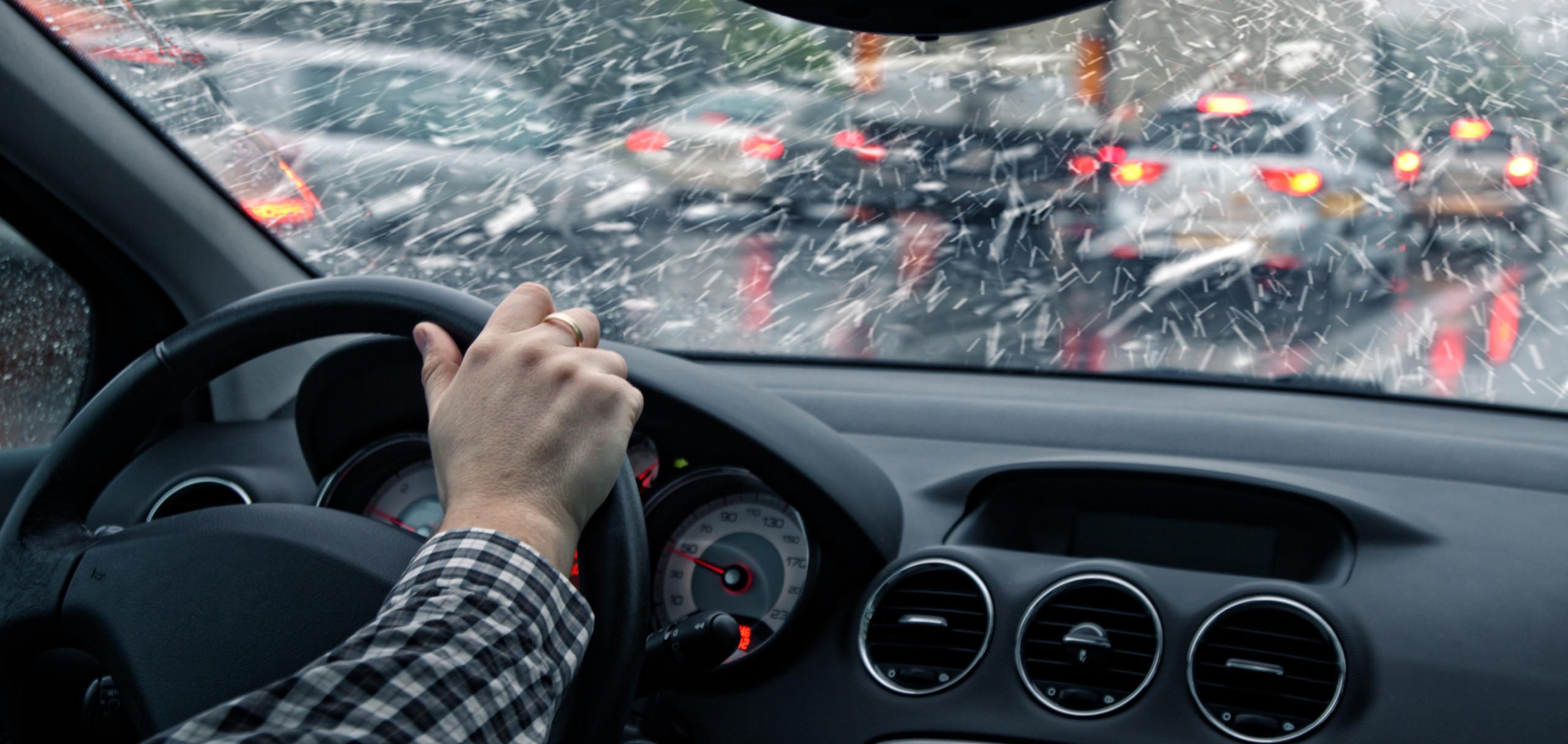
As the seasons change to fall and winter, drivers face a spike in roadway dangers. Shorter days mean more time spent driving in the dark, decreasing visibility and making it harder to spot hazards in time. These months also coincide with increased wildlife activity, particularly deer crossing roadways during mating and migration seasons. Add in weather conditions like rain, sleet, snow, black ice, and early-morning frost, and it’s no surprise that accident rates rise this time of year.
Common seasonal hazards include reduced visibility, wildlife crossings, and slick or icy roads. At our firm, we’re committed to helping our community stay safe on the road by understanding these risks and preparing for them. And if an accident does happen, we’re here to ensure you know your rights, understand your options, and receive the support you need to move forward.
Seasonal Hazard #1: Reduced Visibility
Reduced visibility is one of the biggest challenges drivers face during fall and winter. Several seasonal factors make it harder to see and be seen on the road.
Shorter daylight hours play a role in visibility. With sunsets arriving earlier, more drivers are commuting in dusk or full darkness. Weather shifts create cloudy or foggy mornings and sudden downpours that blur sightlines. The low autumn and winter sun can also produce intense glare, especially when it reflects off wet roads.
Drivers can significantly reduce risk by taking a few simple but important safety measures:
- Keep headlights, brake lights, and the windshield clean to maximize light output and minimize streaks or smudges.
- Replace worn wiper blades and dim headlight bulbs—both are inexpensive fixes that make a major difference.
- Use high beams wisely and where permitted, but always dim them for oncoming traffic.
- Slow down and increase following distance to give yourself more time to react when visibility is limited.
Even when weather conditions make visibility difficult, drivers still have a legal duty to operate their vehicle safely. Reduced visibility may become negligence when a driver:
- Fails to use headlights in darkness, rain, fog, or other low-visibility conditions
- Speeds or drives too fast for conditions, even if they are technically below the posted speed limit.
After a collision, investigators and insurers look at whether each driver took reasonable steps to adjust to the conditions. This often includes examining:
- Whether headlights or hazards were used properly
- The driver’s speed compared to weather and lightning conditions
- Lane position, braking distance, and reaction time
- Surveillance footage, witness statements, and vehicle data.
Ultimately, if a driver failed to take precautions that a reasonably careful person would take under the same conditions, they may be found partially or fully at fault.
Seasonal Hazard #2: Wildlife
Wildlife related crashes, especially those involving deer, surge during the fall and early winter. Several seasonal factors contribute to this sharp increase:
- Mating season in the fall: deer are more active and unpredictable, often darting across roads without warning.
- Increased movement during dawn and dusk: these are peak times for wildlife activity, and unfortunately they align with periods of reduced visibility for drivers.
- Higher risks in rural and suburban areas: wooded areas, open fields, and expanding suburbs often place roadways directly in the path of natural deer trails.
Drivers can take precautionary measures to significantly lower the likelihood of a wildlife-related crash:
- Scan the road edges regularly, especially in areas marked with wildlife or deer-crossing signs.
- Use high beams when appropriate to increase visibility along shoulders and ditch lines, but dim them for oncoming traffic.
- Avoid swerving. If a deer enters your path, brake firmly while keeping the vehicle straight. Swerving can lead to a more serious collision with another vehicle or roadside object.
- Expect more than one deer. They often travel in groups, and where there’s one, there are usually more trailing behind.
Seasonal Hazard #3: Slick Roads
As temperatures dip in late fall and winter, roads can quickly develop black ice, a nearly invisible layer that forms when moisture freezes on pavement. Early-season snowfall often catches drivers off guard, especially before they’ve switched to winter tires or adjusted their driving habits. Even without snow or ice, heavy rain decreases tire traction and increases the risk of hydroplaning, making stopping distances longer and evasive maneuvers more difficult.
How to drive safely on slick surfaces:
- Avoid sudden movements: brake gently and accelerate gradually to prevent skidding
- Increase following distance: leave significantly more space between vehicles to allow for longer stopping times.
- Carry emergency supplies: keep essentials like a blanket, ice scraper, flashlight, and traction aids in case you get stuck or stranded.
Weather alone doesn’t excuse unsafe driving. Drivers are expected to adjust their speed, following distance, and overall behavior when roads are slick.
How Thomas J. Henry Law Can Help
Our mission is to keep our community safe all year long, and to stand by you when the unexpected happens. Reach out to us today to speak with an attorney who can guide you through your options after a fall or winter crash.
Blog